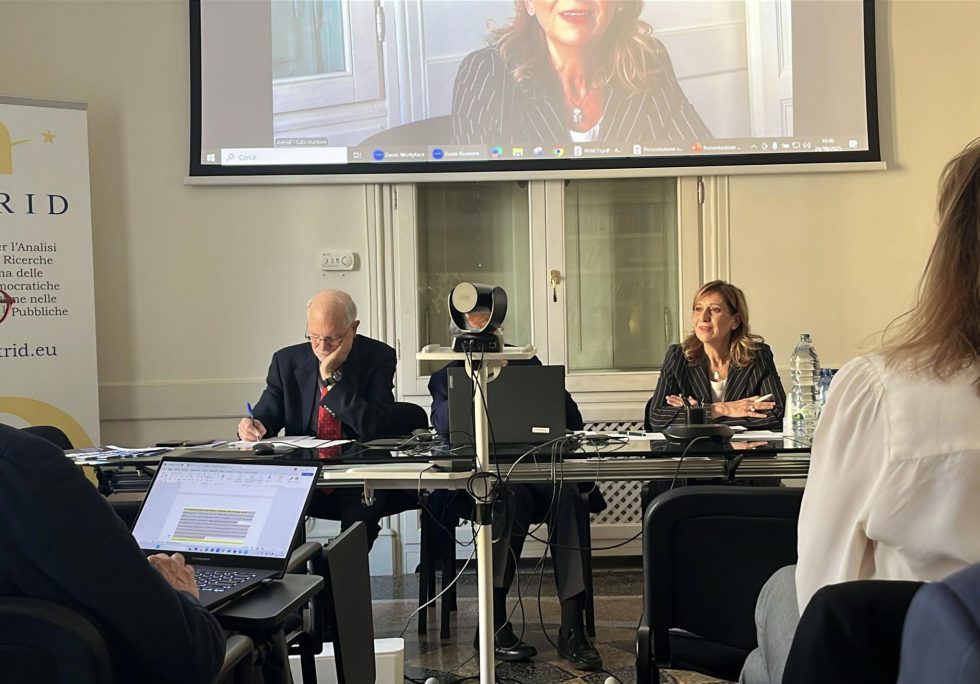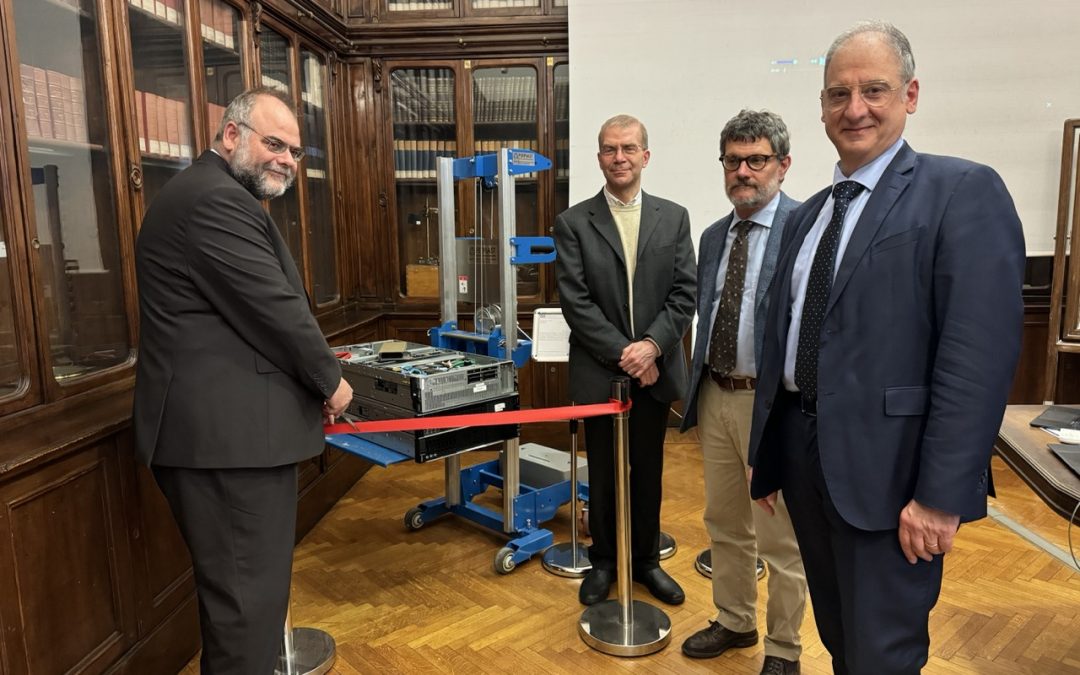
On Monday, April 14, in the Wataghin Hall of the Physics Department of the University of Turin, as part of the inauguration of the new CTLab4ET (Computing Technology Laboratory for Einstein Telescope) laboratory for the evaluation and development of computing technologies for the analysis of data from the future Einstein Telescope gravitational wave observatory (ET), the upgrade of the scientific computing center of the Turin section of INFN was presented, funded by the three PNRR ETIC, ICSC – National Research Center in HPC Big Data and Quantum Computing, and TeRABIT projects promoted by MUR. Speakers at the event included Marco Maggiora, director of INFN Turin, Mauro Campanella, head of international research projects for the Italian Research and Education Network (GARR), Michele Punturo, scientific coordinator of the ETIC project and international manager of Einstein Telescope, and Stefano Bagnasco, head of the INFN Turin computing center and the CTLab4ET laboratory.
CTLab4ET
CTLab4ET is one of the objectives of the ETIC project, led by the National Institute of Nuclear Physics (INFN). ETIC aims to support Italy’s bid to host ET in Sardinia, in the area of the former Sos Enattos mine in the Nuoro region, by characterizing the candidate site and creating a network of cutting-edge research laboratories throughout Italy. The research and development activities to be carried out at CTLab4ET also include the upgrading of the INFN Turin computing center, which is one of the hubs of the supercomputing cloud infrastructure that the National ICSC Center is implementing thanks to the contribution of the TeRABIT project, which is committed to upgrading the country’s network infrastructure through connections with speeds of up to one terabit per second.
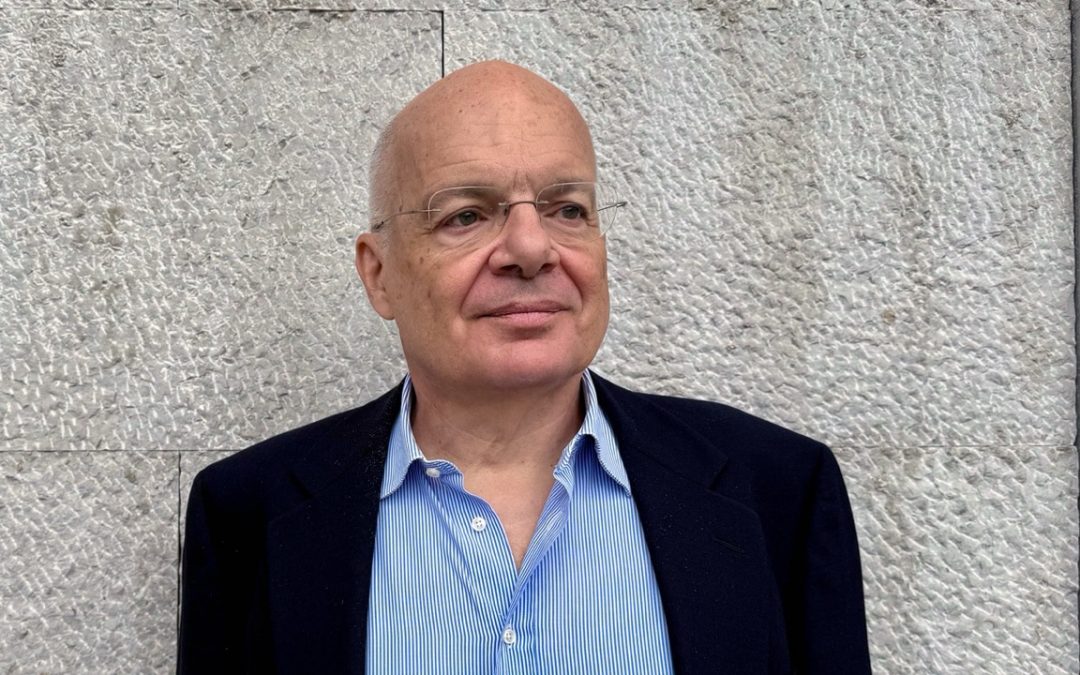
Stefano Bagnasco
The Turin computing center has over twenty years of experience in designing and managing distributed computing infrastructures. Defining the computing model for the Einstein Telescope, which will begin acquiring data in over ten years, is particularly challenging: the resource requirements will be much greater than those of second-generation observatories, and while computing technologies are evolving very rapidly, the ET project already needs a computing infrastructure for the development of analysis algorithms, simulations, and much more,” emphasized Stefano Bagnasco. “The challenge will be to design a system that can support scientific collaboration right from the start, then evolve to make the most of new technologies as they come onto the market. In particular, CTLab4ET will provide a platform for technology tracking, i.e., a system available to the collaboration to test new hardware and software architectures, with a particular focus on artificial intelligence algorithms.”