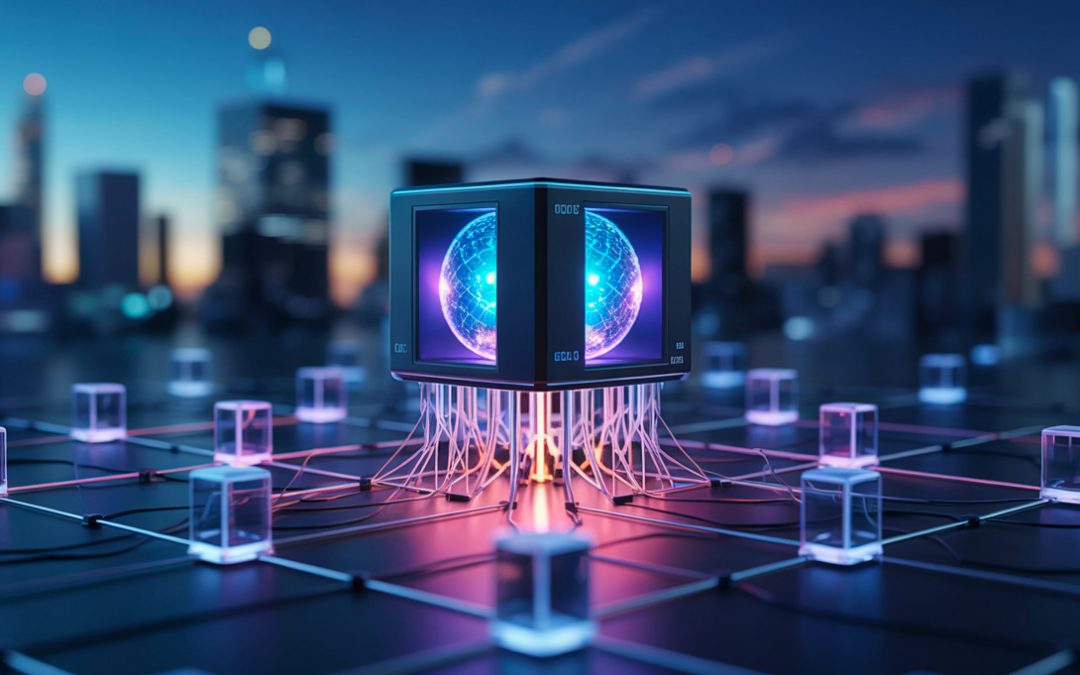
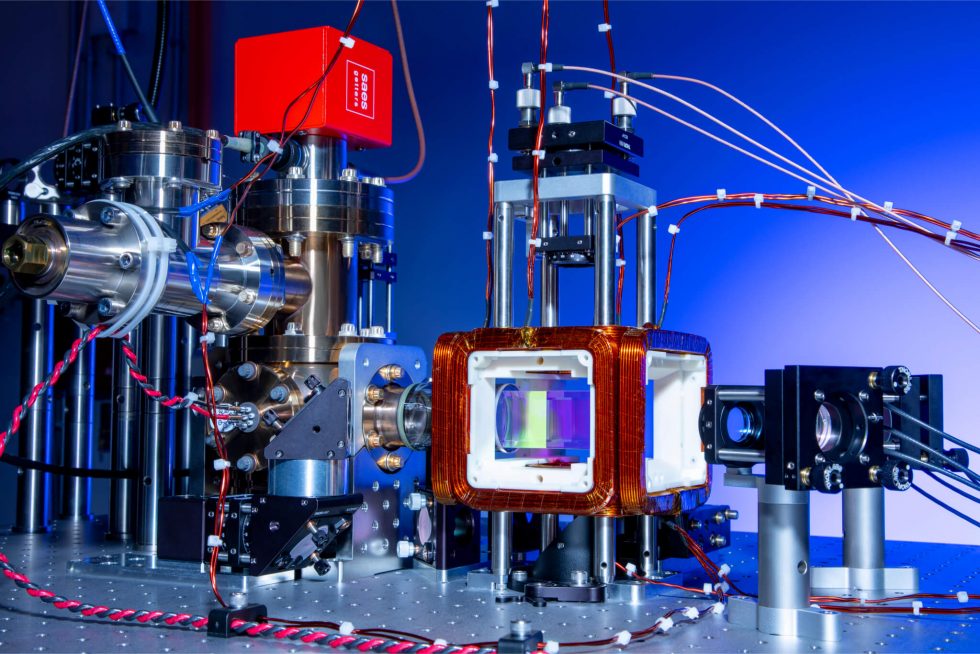
27/03/2025 – Today marks the official signing of the contract for the acquisition of EuroQCS-Italy, the Italian quantum computing system selected within the framework of the EuroHPC Joint Undertaking, representing a decisive new step towards achieving national and European autonomy in the strategic field of quantum computing. Built by the company Pasqal, the computer will be complemented, between the end of 2025 and the beginning of 2026, by a second quantum computing platform, whose installation was the subject of an agreement with the company IQM signed in mid-March at the DAMA Technopole in Bologna. The EuroQCS-Italy initiative, which involves the participation of Cineca as coordinator and hosting entity, the Network for Slovenian Academia and Research and the Jülich Research Center (Germany), is co-financed by the Minis
Details
EuroQCS-Italy will leverage a technology based on neutral atoms capable of providing up to 140 qubits, which will be operated in an analog manner for algorithm implementation. In 2027, an update of the platform is also planned to increase its performance and ability to tackle and solve a wider range of problems, enabling a mixed analog/digital configuration mode of the laser beams used by the computer to manipulate the state of the neutral atoms and realize the qubits. Unlike EuroQCS-Italy, the computer built by IQM, called IQM Radiance, will instead feature a superconducting quantum processor (QPU) with 54 qubits.
The investment
The result of an investment of 13 million euros, financed 50% by the MUR with the ICSC National Center and the remaining 50% by EuroHPC, EuroQCS-Italy will contribute to the creation of an ecosystem for quantum computing open to the needs and requests of European users, aiming to tackle complex problems impossible to solve with HPC resources alone or, for example, to identify quantum algorithms optimized for machine learning applications, thereby supporting the development of advanced simulations and solutions capable of promoting progress in research and industry across Europe and bringing benefits to society as a whole.
Quantum future in Italy
At the national level, the availability of infrastructures such as EuroQCS-Italy and IQM Radiance, both of which will be integrated with the Leonardo Supercomputer to create a hybrid computing system, will open equally significant opportunities, enabling the development of new skills and the creation of a strategically important supply chain for the country’s future. Achieving such a scenario is one of ICSC’s main objectives, which, through the aggregation of national expertise and the funding of research centers and new quantum computers—including the two that will be hosted in Bologna—has in recent years laid the foundations to ensure Italy’s independence in the field of quantum computing technologies.
Comment by Zoccoli
With EuroQCS-Italy and IQM Radiance, two of the most powerful quantum computing systems in Europe, Italy is at the forefront of quantum computing, creating the conditions for the Italian scientific community and businesses to become leaders in this strategic sector. This achievement is just the latest in a series of successes that ICSC, with its Spoke 10, has been able to achieve over the last two years thanks to funds made available by the MUR as part of the PNRR, such as the creation of a dedicated national ecosystem and the installation of Italy’s first superconducting quantum supercomputer at the Federico II University of Naples. These results are fully in line with the national strategy for quantum technologies currently being published by the government. This strategy aims to achieve Italy’s autonomy in the field of quantum technologies, with the aim of not missing out on the important opportunities that this sector can and will guarantee in terms of competitiveness and growth for the country as a whole,’ comments Antonio Zoccoli, president of the ICSC Foundation.
For more information: https://eurohpc-ju.europa.eu/s

Comment by Ubertini
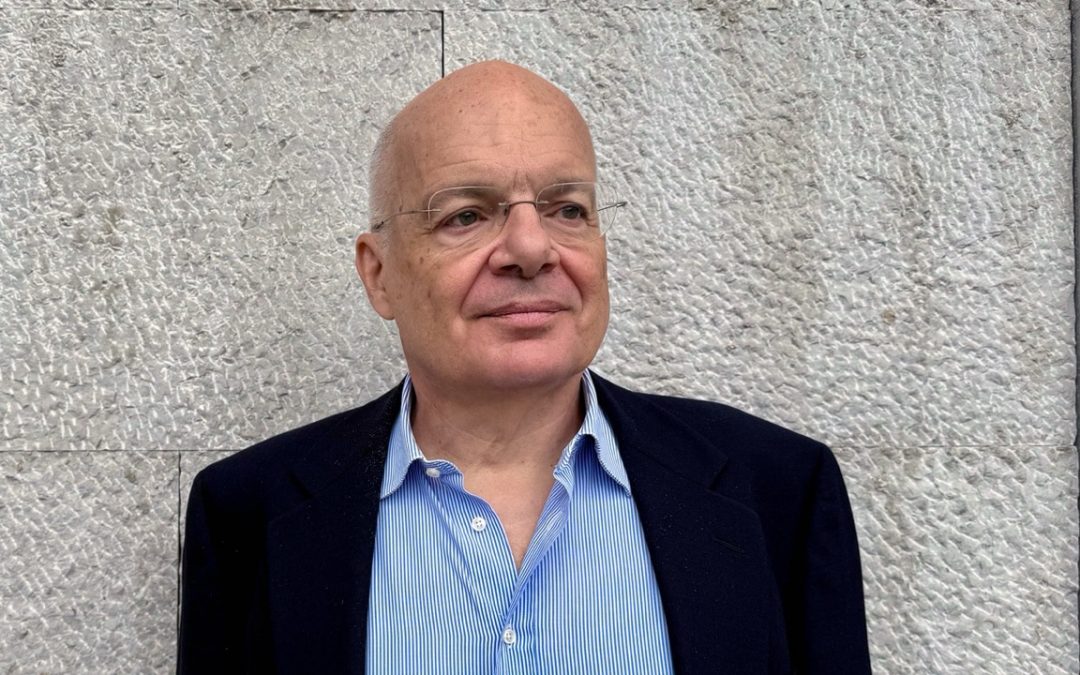
“The arrival of the two new quantum computing systems at the DAMA Technopole in Bologna, which thus increasingly confirms itself as an internationally relevant center for large-scale data processing activities and the development of cutting-edge solutions for high-performance computing, represents a success for the entire ecosystem that contributed to this achievement, and will provide further momentum and support to our country’s innovation chain,” declared Francesco Ubertini, President of CINECA and Vice President of the ICSC Foundation.